Persian
The sofreh aghd, the ceremonial spread laden with symbols. While the couple is seated, a cloth is held above their heads and two sugar cones are rubbed together over it: that is the moment.
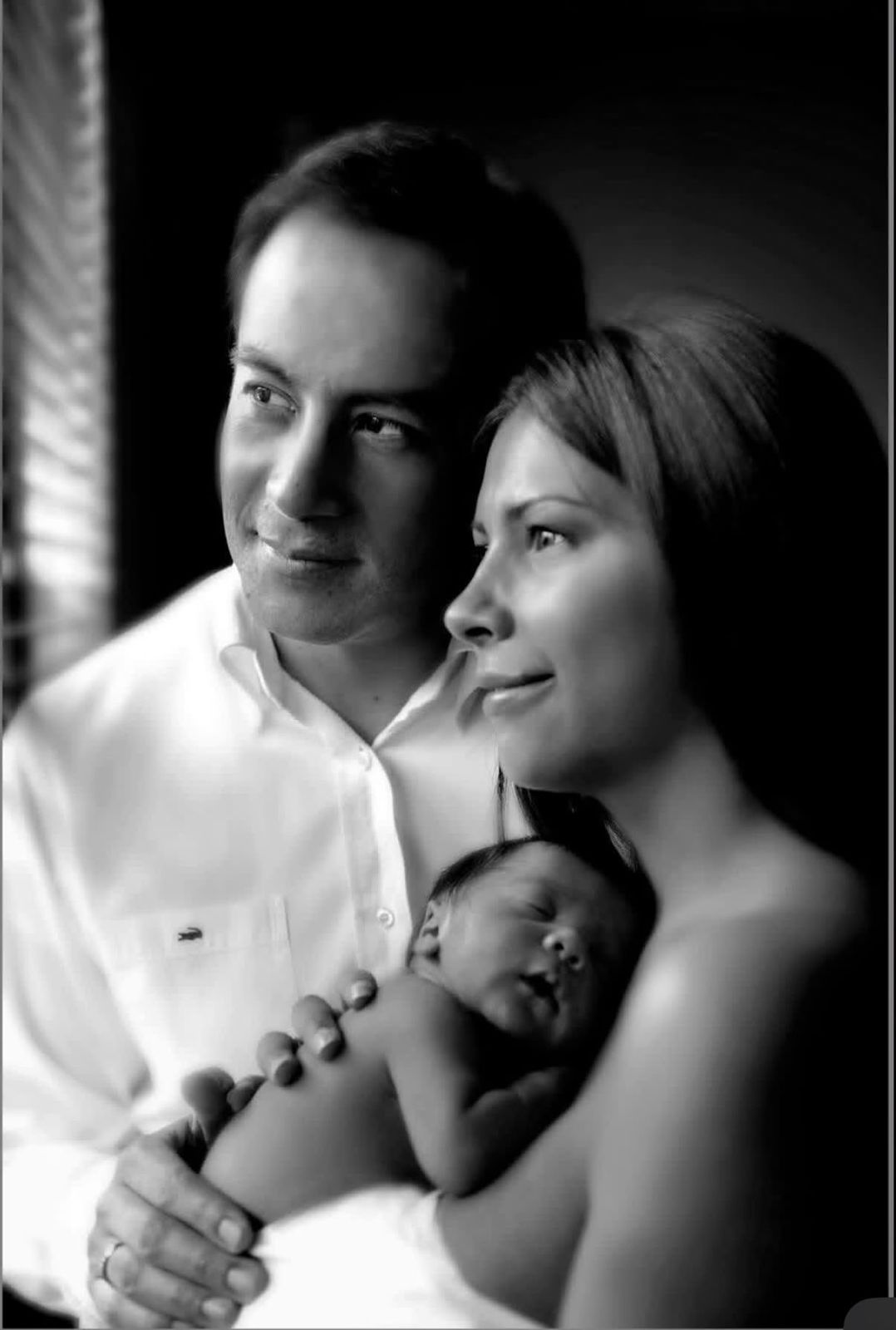
Technology that once demanded specialized cameras and a darkroom now fits in your hand. What no phone supplies is judgment: where the light falls, how a body is placed, the instant when what matters is about to happen. Master photographer Tista Zuluaga has spent nearly fifty years refining it, and now he shares it with anyone attending a wedding.
This page is about my dad.
I grew up around his work: weddings, families and portraits. This page is my way of thanking him, and of sharing what he knows with anyone who wants to learn it.
— Antonio, Welcome Transportation
The moment passes and, over the years, becomes hearsay. The photograph is what remains: that instant, held still in time.
The camera is an extension of your body.
A wedding is a significant investment and a gathering that happens once in a lifetime. Emotions run so high that no one sees half of what takes place, and then it is over. What endures is the photograph, which will go on telling that story to the generations still to come.
That is what you are doing: recording the history of a family.
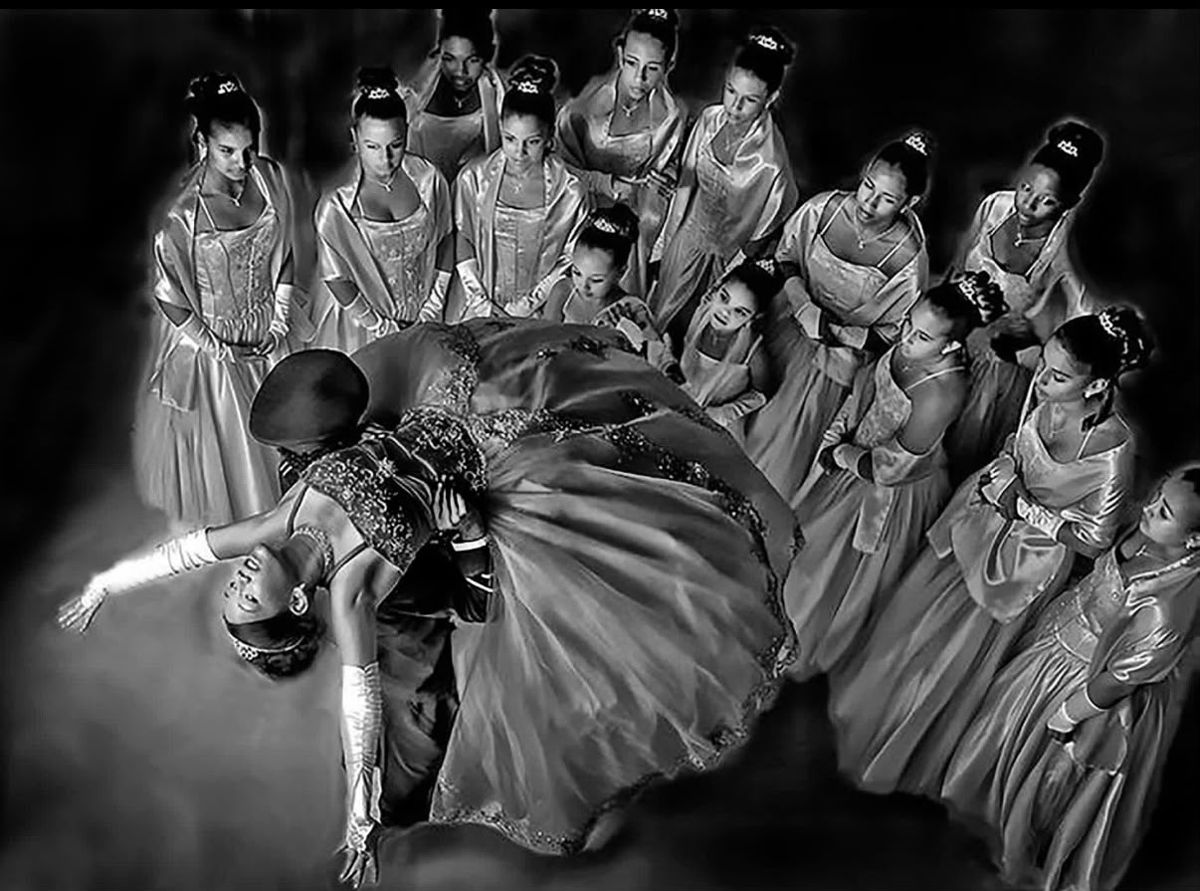
Technology has solved exposure, color and focus. What no camera solves is the instant: reading the room, anticipating which way the bride is about to turn, staying still and waiting. That is the forgotten part of professional photography, and it is what Tista teaches.
If you've been to several weddings lately and your photos never look the way the day felt, this course is for you.
Knowing what comes next is half of the photograph. Here is the arc of a wedding, and what Tista would look for at each stage, phone in hand.
Window light, the dress on its hanger, the rings, the mother's hands. Photograph the details before the rush begins.
No flash, and stay in your seat. Choose one on the aisle for the processional, and be ready for three moments: the vows, the rings, the kiss. If the couple asks for an unplugged ceremony, honor it.
Petals, rice, embraces. It all happens in seconds: shoot in burst mode and choose the best frame later.
This belongs to the hired photographer. Don't draw eyes toward your phone; from the side, capture the unguarded moments outside their frame.
The light is low: tuck your elbows against your body, avoid digital zoom, and tap the couple's faces on the screen so the phone meters for them.
The best photograph of a toast is rarely of the speaker. It is of the listener: the mother in tears, the friend laughing.
Sparklers, lights, the car or the coach. Stay still, give the phone time, and shoot as the couple passes in front of the light.
Tista has photographed weddings across a wide range of traditions. Knowing which moment matters tells you where to stand, and when to lower the phone.
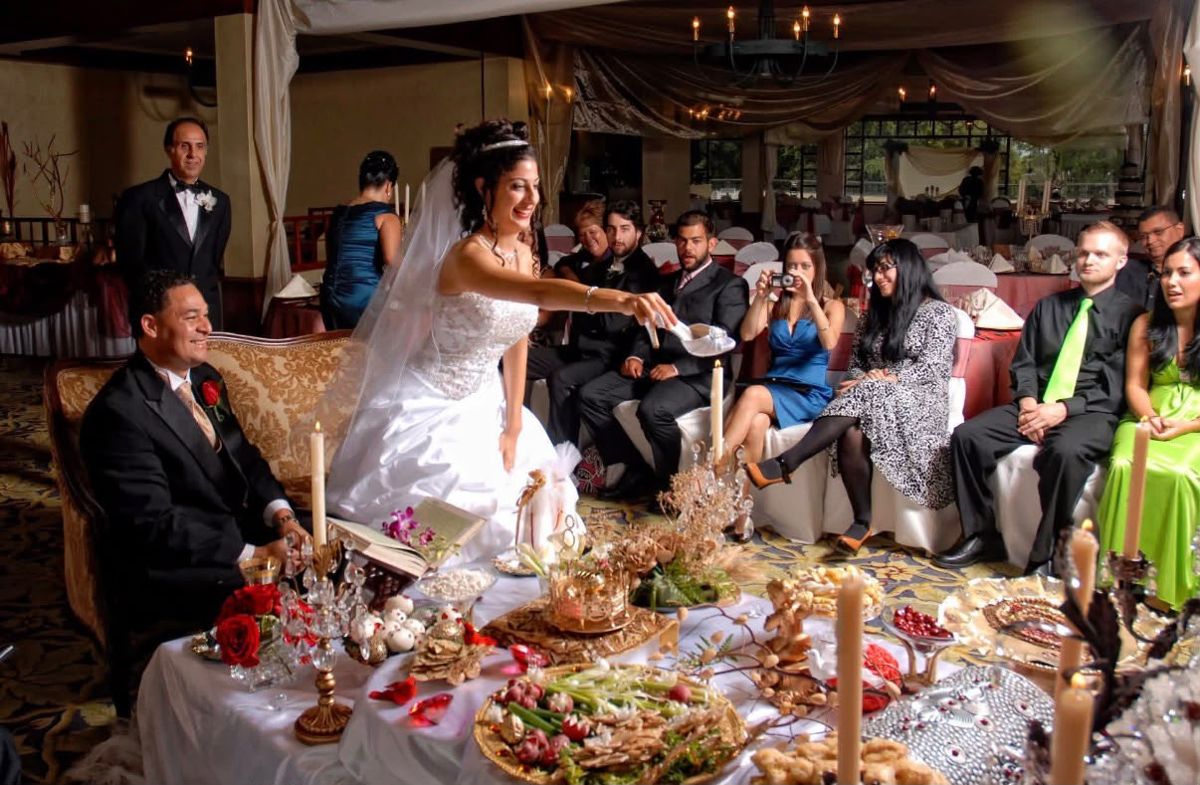
The sofreh aghd, the ceremonial spread laden with symbols. While the couple is seated, a cloth is held above their heads and two sugar cones are rubbed together over it: that is the moment.
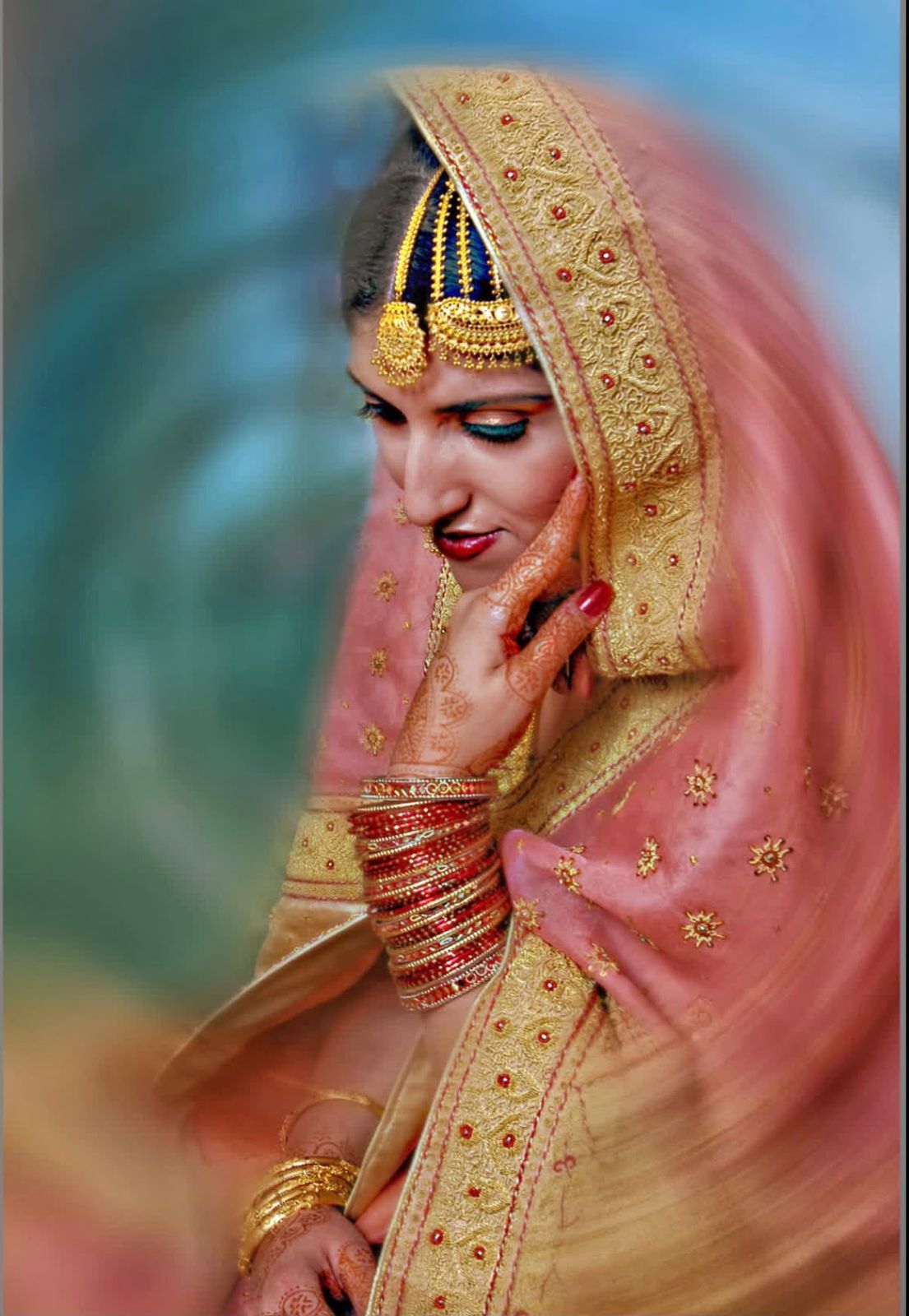
Mehndi henna, bangles, the groom's arrival with the baraat, the exchange of garlands, and the marriage rounds: around the sacred fire at a Hindu wedding, around the Guru Granth Sahib at a Sikh one. Several days of celebration, several changes of dress, and intense color.
The padrinos, the lazo that binds the couple, the arras coins. And at many receptions, la hora loca: more motion than light, so shoot in bursts.
The chuppah, the glass broken at the end of the ceremony, and the hora, the circle dance in which the couple is lifted on chairs. Be in position before the music starts.
The tea ceremony, when the couple serves tea to their elders. It is intimate and brief: photograph the hands and the grandparents' faces.
In a temple, church or mosque, ask before you photograph. Some moments are not meant for cameras.
At a wedding you are a guest of another family and, often, in a sacred place. Customs vary from one family to the next; when in doubt, ask your hosts.
When you look at a great photograph, you feel something is about to move. Every choice the photographer makes serves that purpose:
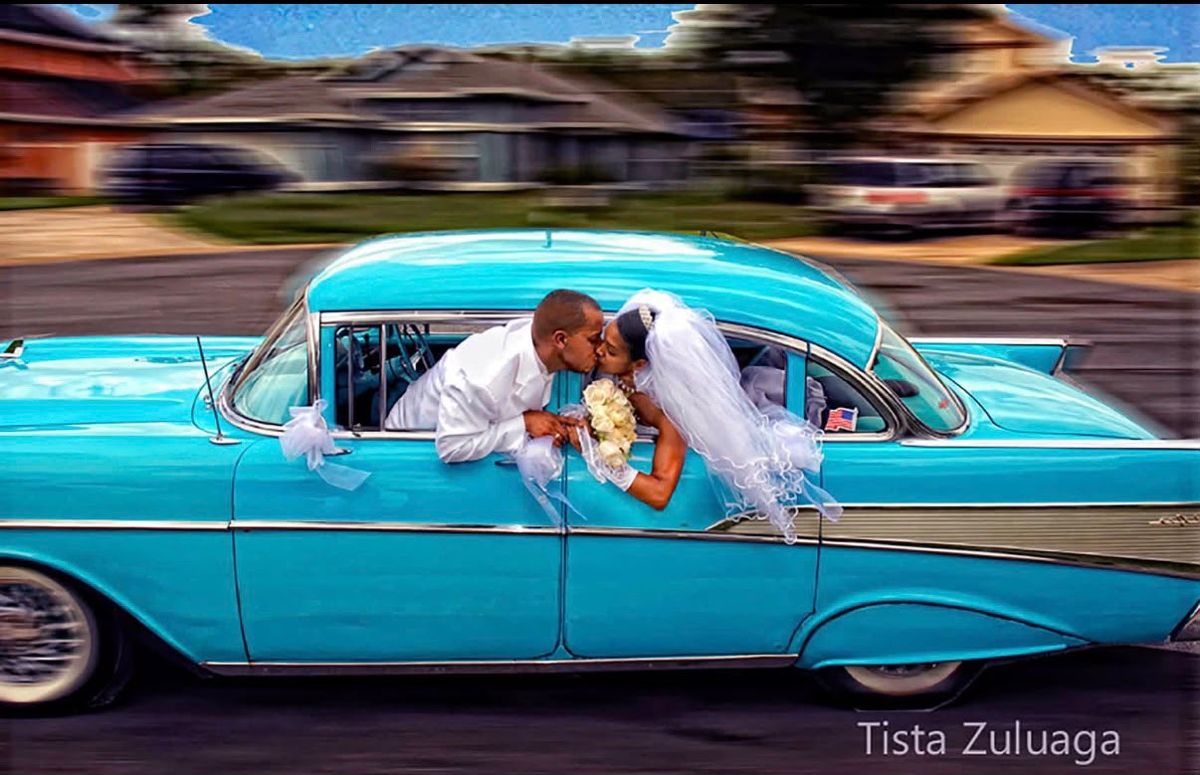
Your phone corrects exposure and color. It does not decide where the light comes from, how the fabric falls, or the second a face gives away what someone feels. That is the photographer's work.
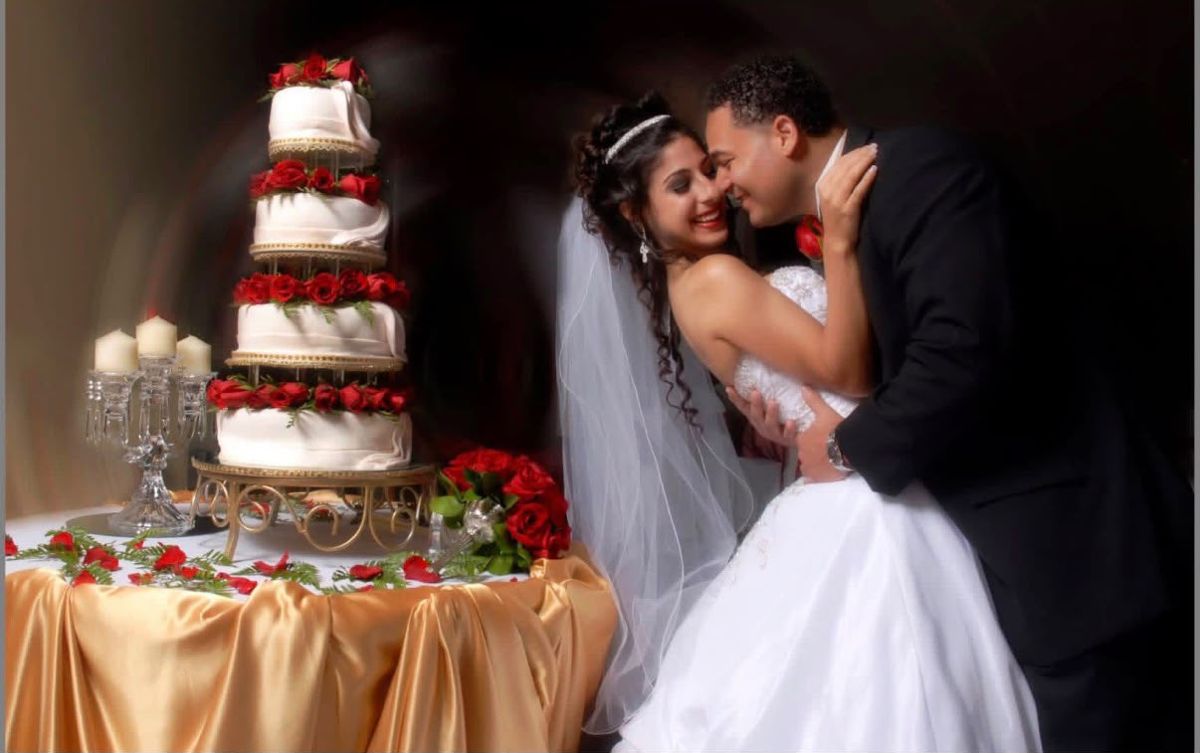
Caravaggio's chiaroscuro with a single window. Where to place the subject, how to read shadow, and why the light that's missing matters as much as the light that's there.
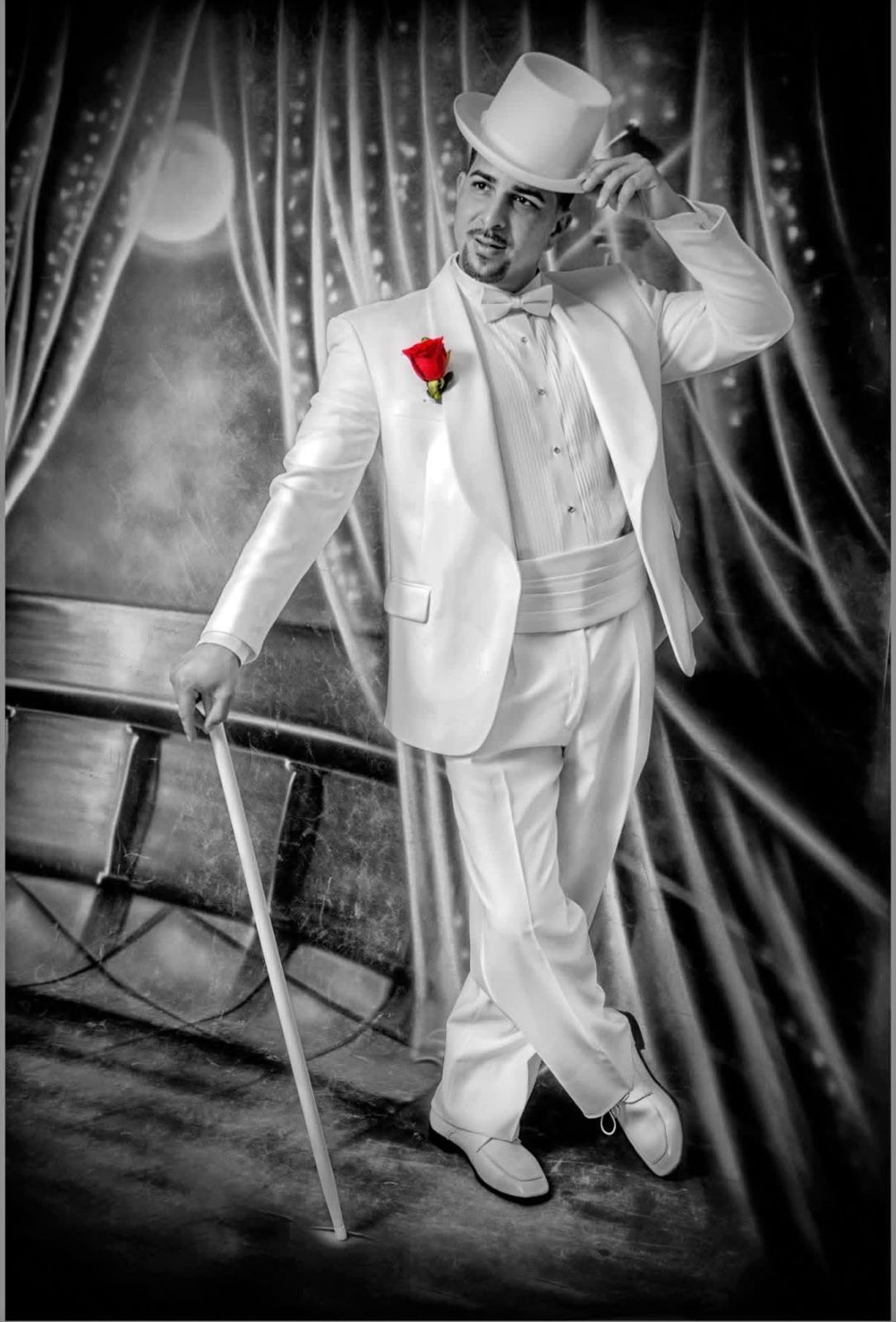
The drop of a shoulder, the angle of a hand, the weight of the body. The language that turns a stiff person into a portrait.
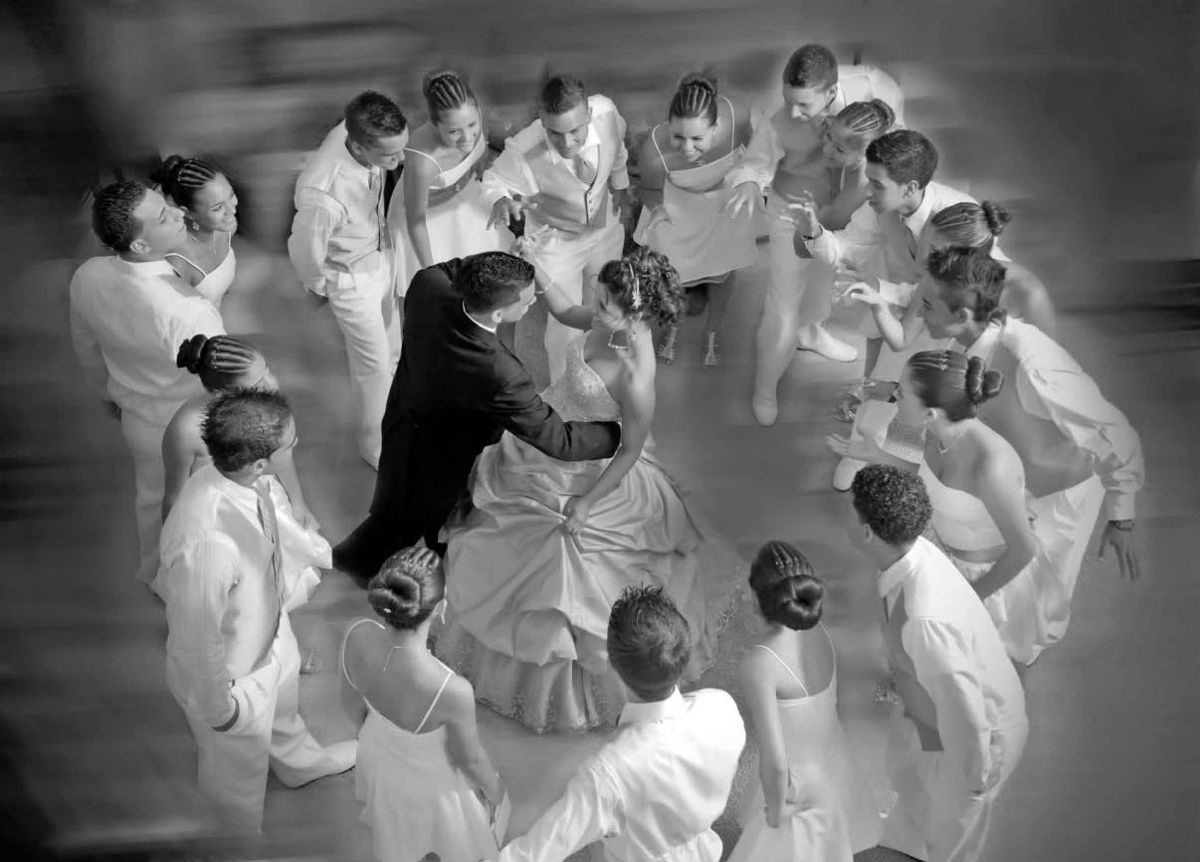
Learned from cinematographers and Baroque painting: framing, a restrained palette, the fall of fabric, the space that guides the eye.
The lawyer, the doctor, the bride: in front of the camera, all of them accept your guidance. How to earn that trust and draw out the precise micro-expression.
The course lives in the Tista app. Download it, create your account, and start with this introduction, free for anyone attending a wedding.
Coming soonDark ballrooms, windows, midday sun and candlelight: how to read the light at each moment of the wedding and where to stand to use it.
Coming soonWhat stays sharp and what dissolves: how to separate the couple from the background with your phone, without relying on portrait mode.
Coming soonHow bodies are placed, and how to anticipate the gesture to come so you are ready before it happens.
Coming soonWhere to stand, when to lower the phone, how to stay out of the hired photographer's way, and how to respect each family's customs.
Get the Tista app
On Android and computers it installs with one tap; on iPhone we show you how.
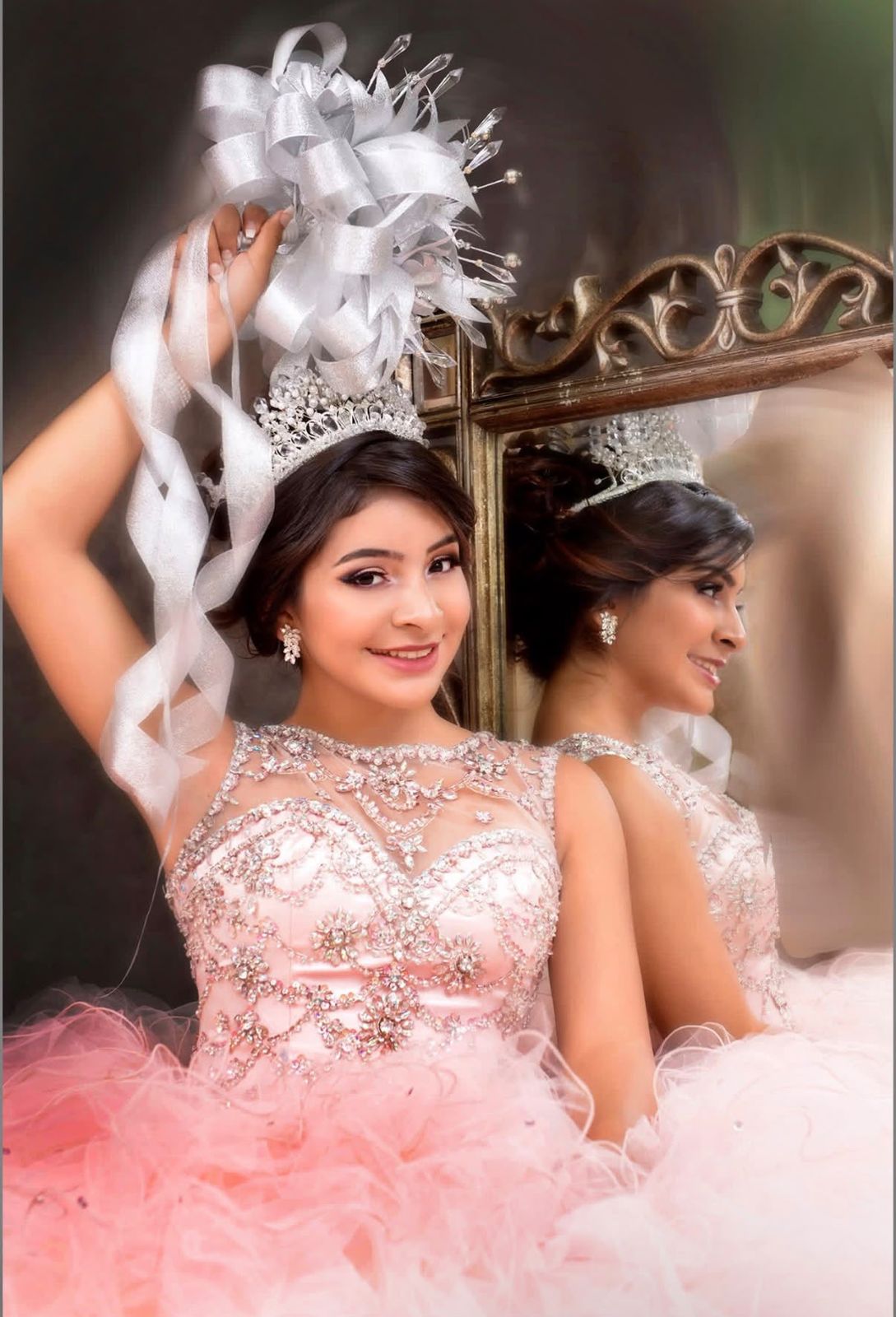
Each module includes short videos, a practical exercise and critique from Tista.
Tap a photo to see it in full

Nearly five decades behind the camera. Twenty photography workshops taught across South America. Founder of Foto Guía magazine and of a small photographic-products company making hand-painted artistic backdrops and studio tripods. A craft learned when photography was made with light, patience and a trained eye.
A student of the style of the great cinematographers, such as Néstor Almendros, and of the Old Masters of painting: light, pose and composition, which, together with intimate portraiture, are his specialty.
This project is underway, and we will soon be getting things in motion. Welcome Transportation sponsors the introduction to wedding photography. The Tista app is coming soon to the App Store and Google Play; the full course will follow.
On Android and computers it installs with one tap; on iPhone we show you how.
And getting everyone from the ceremony to the reception, and back to the hotel? That's what we do. See wedding transportation →